
THE BIRTH OF HOLLYWOOD: HOW CECIL B. DEMILLE MASTERED & PIONEERED CINEMA
Join DeMille biographer Scott Eyman and Aliece Pickett as they explore Cecil B. DeMille as groundbreaking filmmaker and studio executive. Discover DeMille’s role at the rare historical moment when a new art form and new business industry were born simultaneously.

Masterpiece of Beauty and Seduction:
Commentary on Trouble in Paradise (1932 film)
You can’t know Screwball Comedy if you don’t know Ernst Lubitsch and Trouble in Paradise (1932) opines Aliece Pickett, founder of the Film Society of Screwball Comedy (FSOSC.org) as she introduces the film. The film stars Herbert Marshall, Miriam Hopkins and Kay Francis; Directed by Ernst Lubitsch.


Wordplay as Foreplay:
Commentary on Trouble in Paradise (1932 film)
Film Society of Screwball Comedy (FSOSC.org) co-founder Edward Schroeder joins Aliece Pickett to discuss the love triangle between two seductive thieves and a cosmetics executive and what may just be the perfect film, Trouble in Paradise (1932 film) a screwball comedy. The film stars Herbert Marshall, Miriam Hopkins and Kay Francis; Directed by Ernst Lubitsch.

Screwball’s Pre-code Envelope Pusher:
Commentary on Design for Living (1933 film)
Legendary film critic and author Molly Haskell introduces Design for Living (1934 film), and discusses the “Lubitsch Touch” and how he worked around the censors and the Production Code. Introduction of Molly Haskell by Aliece Pickett, founder of the Film Society of Screwball Comedy.

Screwball’s Pre-code Menage a Trois:
Commentary on Design for Living (1933 film)
Legendary film critic and author Molly Haskell joins Aliece Pickett, founder of the Film Society of Screwball Comedy (FSOSC.org), to look at Pre-Code Screwball Comedy and how master filmmaker Ernst Lubitsch and writer Ben Hecht were able to use visual cues and dialog to get still-provocative and racy scenes past the censors in 1933 film Design for Living.
Screwball Heroines From Soup to Nuts:
Commentary on Design for Living (1933 film)
Legendary film critic and author Molly Haskell joins Aliece Pickett, founder of the Film Society of Screwball Comedy (FSOSC.org), to look at the advent of the Screwball Comedy Heroine. And examine how master filmmaker Ernst Lubitsch had unconventional female characters driving unconventional plots and characterizations, but with the use of clever dialog, and double entendre could imply much– yet show nothing overtly objectionable.

WHY BOMBSHELL (1933 FILM) IS THE FIRST SCREWBALL COMEDY | AUTHOR MARK A. VIEIRA
Acclaimed film historian and George Hurrell protégé Mark A. Vieira draws from his 19 books to introduce Bombshell (1933), a film he argues is the first screwball comedy. Using extensive rare visual aids, Vieira shares exclusive scoops on the movie’s historical shooting locations and behind-the-scenes secrets.
DECODING BOMBSHELL (1933): JEAN HARLOW, MGM, & STAR PERSONA | MARK A. VIEIRA AND ALIECE PICKETT
Join renowned film author Mark A. Vieira and Aliece Pickett as they discuss the 1933 pre-Code comedy Bombshell. Then the pair contrasts Jean Harlow’s screen persona with her real life and examines how MGM executive Irving Thalberg pioneered the Hollywood star machine.
THE CAROLE LOMBARD SLAP & BING CROSBY’S SECRET COMEDY CHOPS IN WE’RE NOT DRESSING (1934 FILM) | GARY GIDDINS & ALIECE PICKETT
Renowned critic and Bing Crosby biographer Gary Giddins joins Aliece Pickett of the Film Society of Screwball Comedy to reveal how music legend Bing Crosby forged his comedic genius under Mack Sennett and then shared a wild, chaotic set with the “Queen of Screwball,” Carole Lombard. Discover behind-the-scenes scoops of Lombard’s colorful vocabulary and the slap scene in We’re Not Dressing (1934), and how this classic satire led to the launch of the Screwball Comedy genre

Carole Lombard’s Breakout Screwball Role:
Commentary on Twentieth Century (1934 film)
Film historian and author Olympia Kiriakou introduces the Screwball Comedy Twentieth Century (1934 film), discusses Carole Lombard’s breakout role and performance that was one of the highlights of her career. Introduction of Olympia Kiriakou by Aliece Pickett, founder of the Film Society of Screwball Comedy (FSOSC.org).
From “Milda Plotka” to Screwball Queen:
Commentary on Twentieth Century (1934 film)
Film historian and author Olympia Kiriakou joins Aliece Pickett, founder of the Film Society of Screwball Comedy (FSOSC.org), to discuss how Carole Lombard helped usher in the Screwball Comedy under the direction of Howard Hawks, how Howard Hawks developed the screen persona of the Screwball “Hawksian Woman”, and John Barrymore’s audacious performance in Twentieth Century (1934 film).

Not Your Mama’s Romantic Comedy:
Commentary on It Happened One Night (1934 film)
Film Society of Screwball Comedy (FSOSC.org) founder Aliece Pickett discusses with Lauren Wolfer the advent of the Screwball Comedy genre, the elements of Screwball, and the reasons It Happened One Night (1934 film) is more Screwball Comedy than Romantic Comedy. The film stars Clark Gable, Claudette Colbert, Walter Connolly and Roscoe Karns; director Frank Capra; screen play by Robert Riskin.
Screwball’s Glorious Tribute to Drinking:
Commentary on The Thin Man (1934 film)
Film Society of Screwball Comedy (FSOSC.org) founder Aliece Pickett discusses with Lauren Wolfer the sexy, married Screwball couple, Nick and Nora Charles in Screwball Comedy’s glorious tribute to drinking: The Thin Man (1934 film). And the beginning of the sleuthing-bantering couple sub-genre. It stars William Powell, Myrna Loy and Maureen O’Sullivan; directed by W.S. Van Dyke; screenplay by Albert Hackett and Frances Goodrich and story by Dashiell Hammett.
HOW ERNST LUBITSCH SAVED MARLENE DIETRICH’S CAREER IN DESIRE (1936 FILM)
Explore Marlene Dietrich’s journey from massive stardom to audience backlash, and the witty masterpiece that saved her career. We dive into Dietrich’s biographical highs and lows alongside the brilliant contributions of co-star Gary Cooper, costume designer Travis Banton, art director Hans Dreier, and Charles Lang’s stunning cinematography.
DESIRE (1936 film): A Study in Contrasts
Film Society of Screwball Comedy co-founders Aliece Pickett and Edward Schroeder unpack how Desire (1936) serves as a brilliant study in contrasts, pairing Lubitsch’s European sophistication with Borzage’s American romance, aristocratic experience with working-class innocence, and a stylized Auburn car against a Pontiac for the masses. The duo then charts the film’s post-Code handling of crime and sexuality against pre-Code Trouble in Paradise (1932), while celebrating the unforgettable Hollywood matriarchs whose roles vanished with the studio system.
Screwball’s “Forgotten Man”:
Commentary on My Man Godfrey (1936 film)
Film Society of Screwball Comedy (FSOSC.org) founder Aliece Pickett and Lauren Wolfer discuss Screwball’s “Forgotten Man” and the Queen of Screwball, Carole Lombard in the Screwball Comedy: My Man Godfrey (1936 film) and its “Forgotten Director” Gregory La Cave. It stars Carole Lombard, William Powell, and Gail Patrick.
Screwball’s Tabloid Trouble:
Commentary on Libeled Lady (1936 film)
Film Society of Screwball Comedy (FSOSC.org) founder Aliece Pickett and Lauren Wolfer discuss this satire on the Tabloid press, and the sumptuous Cedric Gibbons’ Art Deco sets in the Screwball Comedy: Libeled Lady (1936 film). The film stars Jean Harlow, William Powell, Myrna Loy and Spencer Tracy; director Jack Conway; and screenplay by Maurine Dallas Watkins and Howard Emmett Rogers.

Screwball’s Sexiest Marrieds:
Commentary on After The Thin Man (1936 film)
Film Historian and author, Rob Kozlowski discusses the sexy, married Screwball Couple, Nick and Nora Charles, and examines the making of After the Thin Man (1936 film). And how the married screen writers Frances Goodrich and Albert Hackett crafted this sequel that many consider better than the original Thin Man. Introduction of Rob Kozlowski by Aliece Pickett, founder of the Film Society of Screwball Comedy.
Screwball Skewers Nora’s Rich Kin:
Commentary on After The Thin Man (1936 film)
Film historian and author Rob Kozlowski joins Aliece Pickett, founder of the Film Society of Screwball Comedy (FSOSC.org), to discuss the sleuthing couple, Nick and Nora Charles, and how Nick skewers Nora’s rich relations in the Screwball Comedy masterpiece After The Thin Man (1936 film). The film stars William Powell, Myrna Loy and James Stewart; directed by W.S. Van Dyke; screenplay by Frances Goodrich and Albert Hackett and story by Dashiell Hammett.
Jimmy Stewart, Movie Villain:
Commentary on After The Thin Man (1936 film)
Film historian and author Rob Kozlowski joins Aliece Pickett, founder of the Film Society of Screwball Comedy (FSOSC.org), to discuss Jimmy Stewart’s first role as a villain in the film After The Thin Man (1936 film), and the evolution of Stewart’s career. The film also stars William Powell and Myrna Loy; directed by W.S. Van Dyke; screenplay by Albert Hackett and Frances Goodrich and story by Dashiell Hammett.

PRESTON STURGES: THE OUTSIZED LIFE BEHIND EASY LIVING (1937 FILM) | DAVID KALAT
Film historian David Kalat explores how legendary screenwriter Preston Sturges transitioned into Hollywood filmmaking. Discover how Sturges’ own larger-than-life experiences served as the blueprint for his eccentric onscreen characters.
INSIDE THE AUTOMAT OF EASY LIVING (1937 FILM): STURGES’ PLOT DEVICES & DIRECTOR MITCHELL LEISEN’S CHARACTERS AND SETS
Film historian David Kalat and Aliece Pickett have a fresh take on the brilliant narrative of Easy Living (1937), including the film's iconic Automat scene. And they shine a spotlight on Mitchell Leisen, the forgotten A-list director who brought Sturges’ ingenious script to life.
JEAN ARTHUR & THE SCREWBALL CAST: DEFYING THE CENSORS IN EASY LIVING (1937 FILM)
Film historian David Kalat and Aliece Pickett analyze Easy Living’s stellar cast, from screwball icon Jean Arthur to standout character actors Edward Arnold and Robert Greig. The duo also discusses how the film cleverly bypassed strict Hollywood censors and why its themes still resonate with audiences today.

MEDIA INFLUENCER, INTRODUCTION OF NOTHING SACRED (1937 FILM)
Film historian and author Olympia Kiriakou, PhD introduces the Screwball Comedy Nothing Sacred (1934 film), discusses Carole Lombard’s best performance and the advent of media influencers and the cult of personality. Sponsored by Aliece Pickett, founder of the Film Society of Screwball Comedy (FSOSC.org).
MEDIA FAKES AND PHONIES, COMMENTARY ON NOTHING SACRED (1937 FILM)
Film historian and author Olympia Kiriakou, PhD discusses how Media Fakes and Phonies can influence the masses in her commentary on the Screwball Comedy Nothing Sacred (1934 film). Sponsored by Aliece Pickett, founder of the Film Society of Screwball Comedy (FSOSC.org).

How Cary Grant Became "Cary Grant":
Commentary on The Awful Truth (1937 film)
Film Society of Screwball Comedy (FSOSC.org) founders Edward Schroeder & Aliece Pickett discuss The Awful Truth (1937 film) and director Leo McCarey’s influence on Cary Grant perfecting his film persona; the film’s satire on wealth, use of the screwball element “comedy of remarriage” and use of 7-musical episodes for comic effect. The film co-stars Irene Dunne and Ralph Bellamy; production designer Lionel Banks; and costume designer Robert Kalloch.

Kalloch's Costumes in Screwball:
Commentary on Holiday (1938 film)
Fashion historian and author Kimberly Truhler discusses the Elevation and Escapism Through Costume in the Screwball Comedy Holiday (1938 film) and how Robert Kalloch’s costume designs influenced Screwball Comedies. Introduction of Kimberly Truhler by Aliece Pickett, founder of the Film Society of Screwball Comedy (FSOSC.org).
Costume-evolution of Cary Grant and Katherine Hepburn
Fashion historian and author Kimberly Truhler joins Aliece Pickett, founder of the Film Society of Screwball Comedy (FSOSC.org), to discuss how Cary Grant and Katherine Hepburn’s costumes from the 1930s to the 1940s evolves toward their authentic selves. And how Robert Kalloch and Adrian’s costumes impacted fashion, and the cues costumes provided in the Screwball Comedies Holiday (1938 film) and The Philadelphia Story (1940 film).
Girl on the Hunt:
Commentary on Bringing Up Baby (1938 film)
Film Society of Screwball Comedy (FSOSC.org) founder Aliece Pickett discusses with Lauren Wolfer what makes a film a Screwball Comedy, the spectrum of Screwball Comedy and the reasons Bringing Up Baby (1938 film) is more Screwball Comedy than Slapstick Comedy or Romantic Comedy. It stars Katherine Hepburn, Cary Grant, May Robson and Charles Ruggles; director Howard Hawks; and screenplay by Dudley Nichols and Hagar Wilde.
MOLLY HASKELL ON ERNST LUBITSCH AND THE MAKING OF NINOTCHKA (1939 FILM)
Legendary film critic and author Molly Haskell introduces the genius of Ernst Lubitsch and his roles in creating the 1939 classic Ninotchka. Discover Lubitsch’s fascinating background, his hands-on filmmaking approach, and secrets behind of the “Lubitsch Touch”.
DECODING NINOTCHKA (1939 FILM): MOLLY HASKELL AND ALIECE PICKETT ON LUBITSCH’S COMEDY MASTERPIECE
Join legendary film critic and author Molly Haskell and Aliece Pickett as they break down the brilliant contrast of opposites and Screwball Comedy elements that define Ninotchka. The duo also explores the legendary creative dynamic between director Ernst Lubitsch and co-writer Billy Wilder.
THE UNTOLD STORY OF MY FAVORITE WIFE (1940): SCOTT EYMAN ON CARY GRANT’S CLASSIC COMEDY
Best-selling author Scott Eyman reveals the dramatic behind-the-scenes production challenges of the classic film My Favorite Wife (1940). Discover how director Leo McCarey overcame a near-fatal car accident and severe addiction before teaming up with the writers to craft the movie's winning third act.
BEHIND THE MASK: SCOTT EYMAN AND ALIECE PICKETT ON THE REAL CARY GRANT
Cary Grant biographer Scott Eyman and Aliece Pickett discuss how Grant’s brilliant on-screen persona masked a troubled and complex private life. Explore how he overcame profound insecurity and hidden misery to become Hollywood's most beloved leading man.
Gender Bender Screwball:
Commentary on His Girl Friday (1940 film)
Film Society of Screwball Comedy (FSOSC.org) founder Aliece Pickett & Lauren Wolfer discuss the gender bender Role Reversal in the Screwball Comedy His Girl Friday (1940 film) and director Howard Hawks. It stars Cary Grant, Rosalind Russell, Ralph Bellamy and Gene Lockhart; production designer Lionel Banks; and costume designer Robert Kalloch.

Cary Grant Melts Screwball's Ice Princess:
Commentary on The Philadelphia Story (1940 film)
Film Society of Screwball Comedy (FSOSC.org) founder Aliece Pickett discusses with Lauren Wolfer the Screwball Comedy of Remarriage in The Philadelphia Story (1940 film) and the evolution of the careers of Cary Grant and Katherine Hepburn. It stars Katherine Hepburn, Cary Grant, James Stewart and Ruth Hussey; director George Cukor; and screenplay by Donald Ogden Stewart.
Screwball's Sexiest Scene:
Commentary on The Lady Eve (1941 film)
Film Society of Screwball Comedy (FSOSC.org) founder Aliece Pickett discusses with Edward Schroeder Screwball Comedy’s sexiest scene in The Lady Eve (1941 film), and the mastery of writer-director Preston Sturges. The film stars Barbara Stanwyck, Henry Fonda and Charles Coburn.
CHARLES LEDERER, WILLIAM POWELL & THE GENIUS OF LOVE CRAZY (1941) | FILM INTRO
Join Film Society of Screwball Comedy co-founder Edward Schroeder as he introduces the 1941 classic Love Crazy, spotlighting the brilliant catalog of screenwriter Charles Lederer and co-star Jack Carson. Discover how William Powell’s masterful voice and physical comedy cemented his legacy as the genre's ultimate rascally anti-hero.
HOW THE STUDIO SYSTEM BUILT THE GOLDEN AGE OF SCREWBALL COMEDY | LOVE CRAZY (1941) FILM DISCUSSION
Film Society of Screwball Comedy co-founders Edward Schroeder and Aliece Pickett dive into the business of Classic Hollywood, exploring how vertical integration, monopolies, and economies of scale shaped filmmaking. Learn how the star system and genre classification helped audiences discover the exact movies they wanted to see without wasting time or money.
HOW WWII CHANGED SCREWBALL COMEDY & MYRNA LOY’S LEGACY | LOVE CRAZY (1941) FILM DISCUSSION
Film Society of Screwball Comedy co-founders Edward Schroeder and Aliece Pickett show how looming World War II shifted screwball comedy away from escapism and luxury toward mature realism while still lampooning traditional institutions. The duo examines the film’s "comedy of remarriage" and famous disguise sequence, and highlights Myrna Loy’s stellar movie career and humanitarian work.
Floozy Outwits Professors:
Commentary on Ball of Fire (1941 film)
Film Society of Screwball Comedy (FSOSC.org) founder Aliece Pickett & Lauren Wolfer discuss the brilliant satire of out-of-touch professors in the Screwball Comedy Ball of Fire (1941 film). And Barbara Stanwyck’s sexy performance with Gary Cooper under the direction of Howard Hawks, and the hilarious script written by Charles Brackett and Billy Wilder.

Comedy Gets No Respect:
Commentary on Sullivan's Travels (1941 film)
Entertainment journalist and author Kristen Lopez discusses the importance of laughter and how laughter is used in Sullivan’s Travels (1941 film) to examine issues and create social change. Introduction of Kristen Lopez by Aliece Pickett, founder of the Film Society of Screwball Comedy (FSOSC.org).
Veronica Lake, Screwball's Forgotten Heroine:
Commentary on Sullivan's Travels (1941 film)
Entertainment journalist and author Kristen Lopez joins Aliece Pickett, founder of the Film Society of Screwball Comedy (FSOSC.org), to discuss Screwball’s forgotten heroine, Veronica Lake. They examine her films, life and acting in the Screwball masterpiece, Sullivan’s Travels (1941 film). As well as her and Joel McCrea’s performances for director and writer Preston Sturges. Kristen shares stories from her interviews of the families of Veronica Lake and Joel McCrea.
Is Marriage Necessary?
Commentary on The Palm Beach Story (1942 film)
Legendary film critic and author Molly Haskell on Screwball Comedy’s enduring appeal and relevance, and how Preston Sturges propelled women from passivity to action with dialogue and physicality. Introduction of Molly Haskell by Aliece Pickett, founder of the Film Society of Screwball Comedy (FSOSC.org).
Using Sex to Get Ahead:
Commentary on The Palm Beach Story (1942 film)
Legendary film critic and author Molly Haskell joins Aliece Pickett, founder of the Film Society of Screwball Comedy (FSOSC.org), to look beyond Screwball Comedy’s escapist froth to its challenge of Romantic Comedy’s “happily ever after” trope. And they examine the parallels between writer-director Preston Sturges’ film The Palm Beach Story (1942) and his personal life.
WHY ERNST LUBITSCH'S TO BE OR NOT TO BE (1942 film) IS A MASTERPIECE OF SATIRE | MOLLY HASKELL & ALIECE PICKETT
Legendary film critic Molly Haskell joins Film Society of Screwball Comedy co-founder Aliece Pickett to break down Ernst Lubitsch’s unique wartime satire. Discover how a narcissistic, squabbling theatrical troupe outwits the invading Nazis.
WARTIME SCREWBALL: THE MORE THE MERRIER (1943) & WWII WASHINGTON
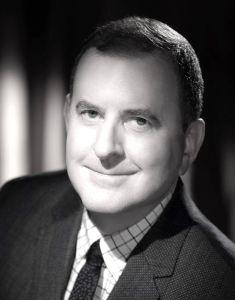
Join acclaimed film historian, author, and documentarian Steven C. Smith as he reveals how the real-life chaos of WWII Washington inspired the hilarious housing-crisis plot of The More the Merrier (1943). Discover the fascinating historical context behind Hollywood's ultimate wartime screwball comedy in this quick, insightful introduction.
PERFECT COMEDY RHYTHM: GEORGE STEVENS’ THE MORE THE MERRIER (1943 FILM)
Join acclaimed film biographer and documentarian Steven C. Smith and Aliece Pickett discussing the brilliant director behind The More the Merrier (1943). Explore how George Stevens used precise pacing, innovative editing, and music to elevate this wartime classic into an Screwball Comedy masterclass.
ARTHUR-COBURN: ACADEMY AWARD MASTERCLASS: JEAN ARTHUR & CHARLES COBURN IN THE MORE THE MERRIER (1943 FILM)
Join acclaimed film biographer Steven C. Smith and Aliece Pickett as they discuss the brilliant acting in the award-winning Screwball Comedy The More the Merrier (1943). Discover how Jean Arthur’s masterful timing earned her an Oscar nod, and how Charles Coburn’s unforgettable charm secured his Oscar win.
Screwball's Serial Murderer:
Commentary on Arsenic and Old Lace (1944 film)
Film historian, biographer, and author Steven C. Smith (Music By Max Steiner (Oxford 2020)) discusses Max Steiner’s underscore composition for the serial murdering-aunts and brother in the Screwball Comedy classic Arsenic and Old Lace (1944). The film stars Cary Grant, Raymond Massey, Josephine Hull, Jean Adair, Jack Carson, Priscilla Lane, Peter Lorre, and Edward Everett Horton; director Frank Capra, screenplay writers Julius Epstein and Philip Epstein, film editor Daniel Mandell.
Max Steiner, Screwball's Music Maestro:
Commentary on Arsenic and Old Lace (1944 film)
Film historian, biographer, and author Steven C. Smith (Music By Max Steiner (Oxford 2020)) and Aliece Pickett, founder of the Film Society of Screwball Comedy (FSOSC.org), discuss the screwball comedy film Arsenic and Old Lace (1944), Max Steiner’s score, Cary Grant and Raymond Massey, director Frank Capra, screenplay writers Julius and Philip Epstein, and the film's pacing as edited by Daniel Mandell.
Judy Holliday, from Screwball Heroine to FBI Target:
Commentary on Adam's Rib (1949 film)
Film Society of Screwball Comedy founder Aliece Pickett (FSOSC.org) introduces Adam’s Rib (1949 film), and discusses Judy Holliday’s audacious response to being targeted by the FBI, and her Congressional testimony before the House Un-American Activities Committee (HUAC).
Who's Wearing the Pants in Screwball Comedy:
Commentary on Adam's Rib (1949 film)
Film Society of Screwball Comedy founder Aliece Pickett (FSOSC.org) discusses with Edward Schroeder how Adam's Rib (1949 film) playfully satires career vs. marriage and adultery / domestic violence via role-reversal plots. It stars Katherine Hepburn, Spencer Tracy and Judy Holliday; director George Cukor; and screenplay by Ruth Gordon and Garson Canin.

Sly Satire on the Age of Conformity:
Commentary on Harvey (1950 film)
Film Society of Screwball Comedy (FSOSC.org) founders Edward Schroeder & Aliece Pickett discuss Harvey (1950 film), a screwball comedy satire on post-WWII social, economic and political conditions that led people to retreat into conformity and strict gender roles that became known as the "Age of Conformity"; and the film’s Broadway origins. The Pulitzer Prize winning play was written by Mary Chase. The film stars James Stewart, Josephine Hull, Jessie White, and Peggy Dow; director Henry Koster; and film editor Ralph Dawson.
Marilyn 100: Beyond the Blonde, Intro to gentlemen prefer blondes (1953 film)
Discover how Marilyn Monroe transformed a blonde stereotype into a feminist satirical masterpiece in Gentlemen Prefer Blondes (1953). This analysis explores her sharp comic timing alongside Jane Russell, behind-the-scenes studio battles, and the enduring legacy of the iconic "Diamonds Are a Girl’s Best Friend" sequence—from Madonna to Ryan Gosling.
Marilyn 100: Beyond the Blonde, Intro to The seven year itch (1955 film)
Discover Marilyn Monroe’s journey from Dickensian childhood to cinematic icon with the most famous image in cinema history from The Seven Year Itch (1955). This deep dive goes past nostalgia and myth to reveal Marilyn Monroe’s brilliance as a comedic genius, intellectual, and studio rebel.
The Secret Strategy Behind High Society (1956 film) | Gary Giddins Film Intro
Bing Crosby and Frank Sinatra shared the screen for the first time in High Society (1956), but only after a brilliant scheme was employed to get commitments from the two titans. Renowned jazz expert and Crosby biographer Gary Giddins reveals behind-the-scenes scoops of this legendary pairing, including how Crosby handled Sinatra’s early misbehavior, backed by three sources and quoting an eyewitness to their historic exchange.
LOUIS ARMSTRONG, COLE PORTER & THE MUSICAL SHIFT OF HIGH SOCIETY (1956 FILM) | WITH GARY GIDDINS AND ALIECE PICKETT
Jazz biographer Gary Giddins explores how High Society (1956) captured a cultural transformation, while Cole Porter bridged the generational vocal styles of Bing Crosby and Frank Sinatra. Alongside host Aliece Pickett, Giddins breaks down Louis Armstrong’s defiance of rigid stage rules and explains how the film adapts The Philadelphia Story into a grander narrative about the jazz world leading the way in social assimilation.
Marilyn 100: Beyond the Blonde, Intro to SOME LIKE IT HOT (1959 film)
Aliece Pickett of the Film Society of Screwball Comedy explores how Some Like It Hot (1959) brilliantly reimagined screwball comedy through gender role reversals, class conflict, and a jazz-infused score that captured the social liberation of 1929. She highlights how Marilyn Monroe leveraged her talent to return to the Hollywood not as a "dumb blonde" but as a power broker who negotiated the highest compensation on the blockbuster hit film.
Marilyn 100: Beyond the Blonde, Intro to The Misfits (1961 film)
In the finale to the film series "Marilyn 100: Beyond the Blonde", Marilyn's raw, unglamorous, and dramatic performance in The Misfits (1961) is explored. In addition to discarding her carefully constructed screen persona, Marilyn overcame her real-life vulnerability, marital disintegration, and psychic trauma to give a powerful and enduring cinematic farewell.
COMEDY TO CAVALRY: HOW JOHN FORD EXPOSED THE AMERICAN MYTH
John Ford used satirical deception in his early comedy The Whole Town's Talking to expose a society obsessed with convenient fictions. Ford biographer Scott Eyman and Aliece Pickett follow this thematic to Ford’s revolutionary Westerns Fort Apache and The Man Who Shot Liberty Valance where myth, lying, and manufactured legends prevail over the truth, and where society chooses a comforting lie over an ugly truth.